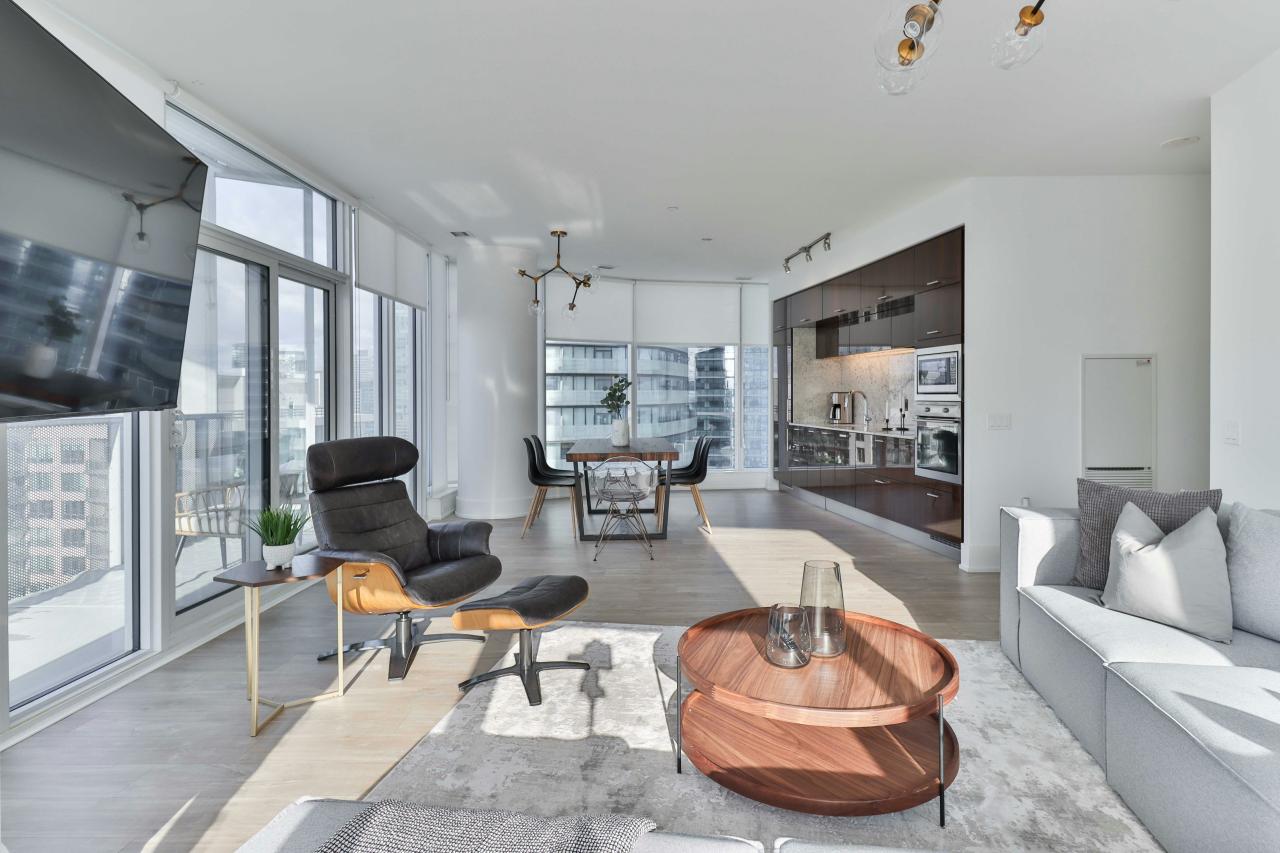
The world of high-end living has undergone a significant transformation, moving away from gaudy displays of wealth toward a more refined and purposeful application of visual harmony. In the current architectural climate, the concept of luxury is no longer defined by how much furniture you can fit into a room, but rather by the quality of the space and the light that inhabits it. Modern luxury interior design is a complex discipline that balances the sleek lines of contemporary minimalism with the warmth and comfort required for a high-quality lifestyle.
Every material choice, from the grain of a marble slab to the texture of a hand-woven rug, plays a pivotal role in creating an atmosphere of exclusivity and sophistication. Homeowners and developers are increasingly seeking environments that act as sanctuaries, offering a physical manifestation of success and personal taste through understated elegance. The psychology of space suggests that a well-designed interior can significantly enhance mental well-being, productivity, and the overall enjoyment of daily rituals within the home. Achieving this level of mastery requires a deep understanding of spatial geometry, color theory, and the innovative use of sustainable yet opulent materials.
This exploration into the foundational principles of premium aesthetics will provide a comprehensive roadmap for those looking to elevate their living standards to the professional elite. By focusing on the intersection of form and function, we can uncover how the most prestigious properties in the world manage to feel both avant-garde and timelessly classic. The following sections will dissect the vital elements that contribute to a truly luxurious modern home, ensuring that every design decision serves a higher purpose in the grand narrative of the property.
Modern luxury is fundamentally about the feeling of effortless perfection and the seamless integration of technology with organic beauty. It requires a disciplined eye to remove the unnecessary and highlight the exceptional details that make a room truly unique. True elegance is found in the silent conversation between high-quality craftsmanship and innovative architectural silhouettes.
Foundational Elements of Premium Interior Spaces
To achieve a result that resonates with high-net-worth expectations, designers must adhere to a strict set of values that prioritize longevity and visual impact.
A fragmented or cluttered approach will immediately diminish the perceived value of a property, regardless of the individual item costs.
Consider these essential pillars as the blueprint for any serious renovation or new build aiming for the pinnacle of modern style:
A. Strategic Use of Bespoke Natural Materials
B. Mastery of Layered Architectural Lighting
C. Sophisticated Neutral Color Palettes
D. Integration of Biophilic Design Elements
E. High-Performance Smart Home Automation
F. Curated Selection of Statement Artworks
G. Precision in Custom Millwork and Joinery
H. Spatial Fluidity and Open Floor Planning
I. Textural Depth Through Luxury Textiles
J. Ergonomic Furniture With Sculptural Forms
Strategic Use of Bespoke Natural Materials
Natural stone and rare woods have long been the hallmarks of wealth, but the modern approach focuses on their raw, unadulterated beauty.
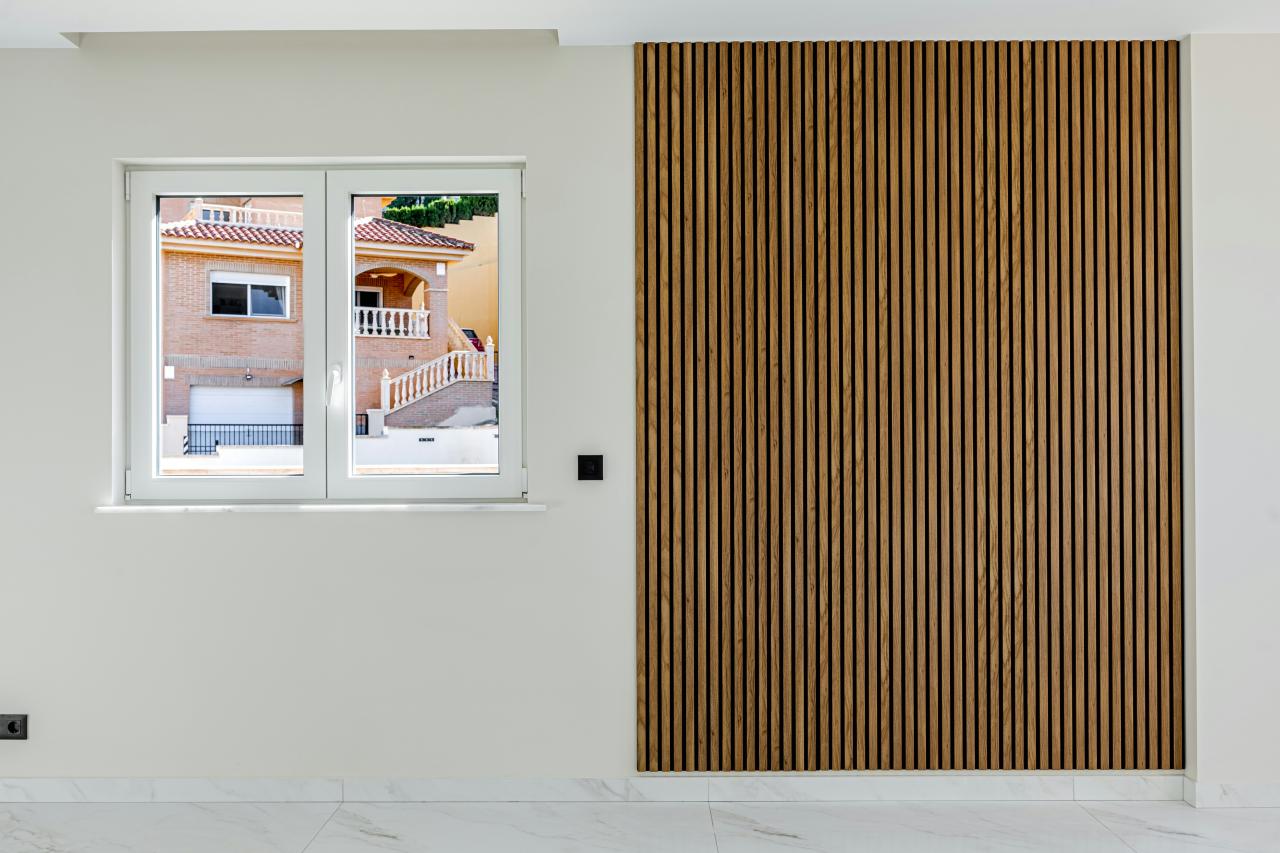
Selecting a rare Italian marble for a kitchen island or an ebony wood for wall paneling creates an immediate sense of permanence and grandeur.
These materials carry a history and a physical weight that synthetic alternatives simply cannot replicate in a high-end setting. The key is to let the material speak for itself by minimizing complex patterns and focusing on large-scale applications.
Matching the veins of stone slabs, a technique known as book-matching, adds a level of artisanal detail that defines premium construction. Durability is just as important as appearance, ensuring that the investment maintains its luster for decades to come.
Mastery of Layered Architectural Lighting
Lighting is the secret weapon of the interior designer, capable of transforming the mood of a space with the flick of a switch.
In a luxury context, lighting must be layered, combining ambient, task, and accent sources to create depth and highlight specific architectural features.
Recessed ceiling lights provide a clean base, while designer pendants serve as the “jewelry” of the room. Shadows are just as important as light when it comes to creating a sense of drama and intimacy in large open spaces.
Using uplights to emphasize the texture of a stone wall or a piece of sculpture adds a three-dimensional quality to the design. Adjustable color temperatures allow the home to transition from a bright, energetic morning atmosphere to a warm, relaxing evening sanctuary.
Sophisticated Neutral Color Palettes
While bold colors have their place, the most enduring luxury interiors rely on a sophisticated foundation of neutral tones.
Shades of charcoal, taupe, cream, and slate provide a calm backdrop that allows the quality of materials and furniture to shine. This palette creates a sense of cohesion throughout the property, making the transition between rooms feel natural and planned.
Warm neutrals help to prevent modern spaces from feeling too cold or clinical, which is a common pitfall of minimalist design.
Different tones within the same color family can be used to define different functional areas without the need for physical walls. This approach also ensures that the interior remains relevant as trends change, providing a timeless canvas for personal expression.
Integration of Biophilic Design Elements
Bringing the outdoors in is a core tenet of modern aesthetics, as it promotes a connection to nature that is often lost in urban living. Large floor-to-ceiling windows act as living frames for the landscape, making the exterior greenery a part of the interior decor.
Indoor vertical gardens or large-scale potted specimens add a vibrant, organic energy to a room’s atmosphere. Water features, such as indoor fountains or reflection pools, introduce soothing sounds and a sense of tranquility.
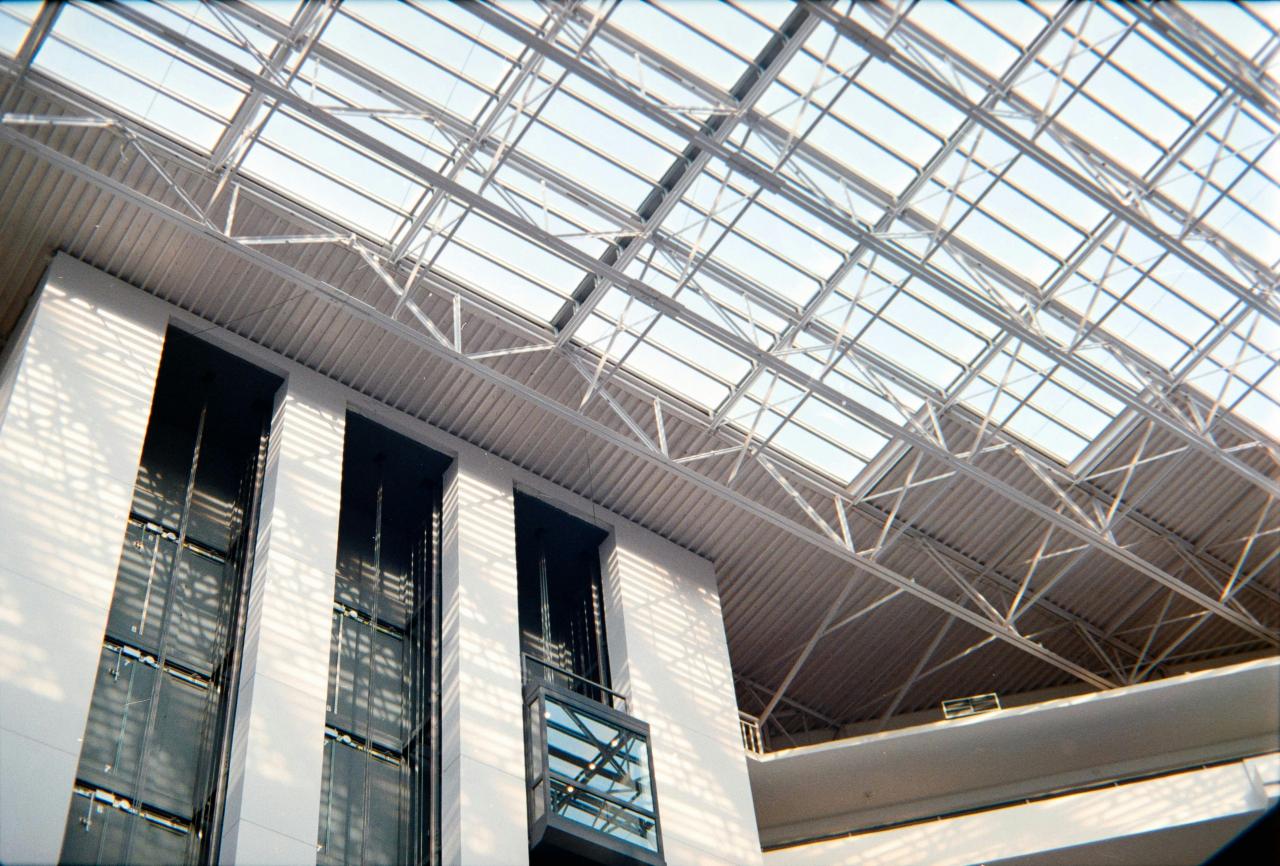
Natural light should be maximized through the use of skylights and glass partitions to improve the health and mood of the occupants. This synergy between the built environment and the natural world is a defining characteristic of the most successful contemporary homes.
High-Performance Smart Home Automation
Luxury today is often measured by the convenience and control offered by integrated technology systems. A truly modern home features a centralized brain that manages climate, security, audio-visual entertainment, and lighting with intuitive ease.
These systems should be invisible, with wires and hardware hidden away to maintain the clean lines of the design. Voice control and mobile applications allow homeowners to adjust their environment from anywhere in the world.
Automated window treatments can react to the position of the sun to optimize energy efficiency and protect valuable artwork from UV damage. The goal of smart technology is to remove the friction from daily life, allowing the residents to focus on their experiences.
Curated Selection of Statement Artworks
Art is the soul of a luxury home, providing a window into the personality and intellectual interests of the owner. Rather than filling walls with generic decor, a premium interior features a few carefully selected pieces that command attention.
Large-scale abstract paintings or bronze sculptures can serve as the focal point around which an entire room is designed. Professional lighting and placement are essential for giving these pieces the respect and visibility they deserve.
Collecting art is a long-term endeavor that adds a layer of cultural significance to the living space. The juxtaposition of a contemporary piece within a classic architectural frame creates a compelling visual tension that is highly sought after.
Precision in Custom Millwork and Joinery
Standardized cabinetry has no place in a high-end project; everything must be tailored to the specific dimensions of the room. Custom-built shelving, hidden doors, and integrated wardrobes maximize storage while maintaining a minimalist aesthetic.
The precision of the joinery is a clear indicator of the craftsmanship involved in the property’s development. Materials used in millwork should complement the other natural elements found throughout the home to create a unified look.
Hidden handles and push-to-open mechanisms keep the surfaces clean and free of visual clutter. This bespoke approach ensures that every inch of the property is utilized effectively and elegantly.
Spatial Fluidity and Open Floor Planning
The luxury of space is the ability to move freely through an environment that feels expansive yet interconnected. Open floor plans remove traditional barriers, allowing for better social interaction and the unimpeded flow of light.
However, it is vital to define different “zones” through the use of furniture placement, rugs, or changes in ceiling height. Fluidity is about the journey through the home, where each room offers a new perspective while remaining part of a larger whole.
Structural columns and load-bearing walls should be minimized or integrated into the design as artistic elements. This sense of openness is highly valued in the premium market as it creates a modern, airy feeling that is difficult to replicate in older structures.
Textural Depth Through Luxury Textiles
In a minimalist environment, texture becomes the primary source of visual interest and physical comfort. Mixing different fabrics like silk, velvet, linen, and soft leather adds layers of sensory experience to a room.
A plush, deep-pile rug can ground a seating area and provide a soft contrast to hard stone or wood floors. Hand-finished textiles carry a sense of human touch that mass-produced items lack, adding to the exclusivity of the space.
Drapery should be heavy and well-tailored, puddling slightly on the floor to convey a sense of abundance. The tactical nature of these materials invites relaxation and makes a large room feel much more inviting and habitable.
Ergonomic Furniture With Sculptural Forms
Furniture in a luxury setting should be as beautiful to look at as it is comfortable to use. Iconic pieces from world-renowned designers are often treated as functional sculptures that enhance the room’s silhouette.
Ergonomics are never sacrificed for style; instead, they are integrated into the very DNA of the chair, sofa, or table. Investing in original designs ensures that the pieces retain their value over time and support the global design community.
The scale of the furniture must be perfectly proportioned to the size of the room to maintain a sense of balance. Custom upholstery allows the homeowner to tie the furniture directly into the specific color and texture story of the house.
The Importance of Acoustic Engineering
A truly luxurious environment must be a sanctuary from the noise of the outside world. Advanced acoustic panels can be hidden within walls and ceilings to absorb echoes and create a soft, quiet atmosphere.
This is especially important in modern homes with many hard surfaces like glass and stone which naturally reflect sound. High-quality windows with double or triple glazing act as a barrier against city noise and traffic.
Soundproofing between floors and rooms ensures privacy for every family member or guest. The auditory experience of a space is often overlooked, but it is essential for achieving a high-end feel.
Sustainability and Ethical Sourcing
The definition of luxury has expanded to include a responsibility toward the planet and the people who produce the materials.
Ethically sourced timber and recycled metals are becoming standard requirements for eco-conscious high-end developers. Sustainable design is no longer just about energy efficiency; it is about the entire lifecycle of the products used.
High-quality craftsmanship reduces the need for frequent replacements, promoting a more sustainable “buy once, buy well” philosophy.
Natural finishes and non-toxic paints contribute to a healthier indoor air quality for the residents. This commitment to ethics adds a layer of moral value to the aesthetic beauty of the home.
Conclusion
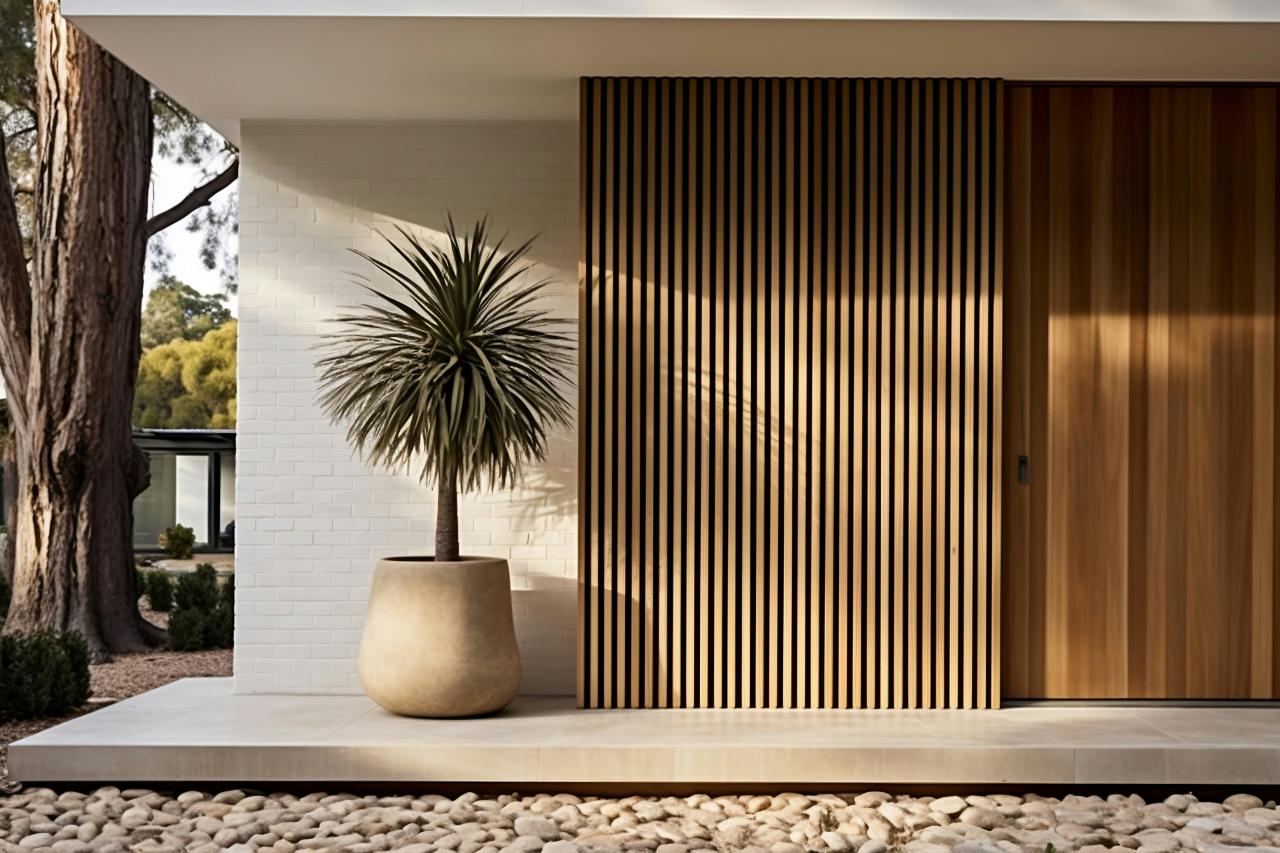
A successful luxury interior is the result of a disciplined adherence to quality over quantity. Every design decision must contribute to a sense of harmony and intentionality within the space. Natural materials provide a timeless foundation that synthetic alternatives can never truly replicate. Lighting acts as the soul of the home, defining the mood and highlighting architectural excellence. Sophisticated neutral palettes allow the inherent beauty of textures and forms to take center stage.
Smart technology should be a silent partner that enhances comfort without cluttering the visual field. Art and bespoke millwork are the elements that inject personality and exclusivity into a project. Open spatial planning creates a sense of freedom and light that is essential for modern living. Comfort and ergonomics must always be balanced with the pursuit of high-end sculptural beauty. True luxury is an immersive experience that satisfies all the senses through meticulous and thoughtful design.