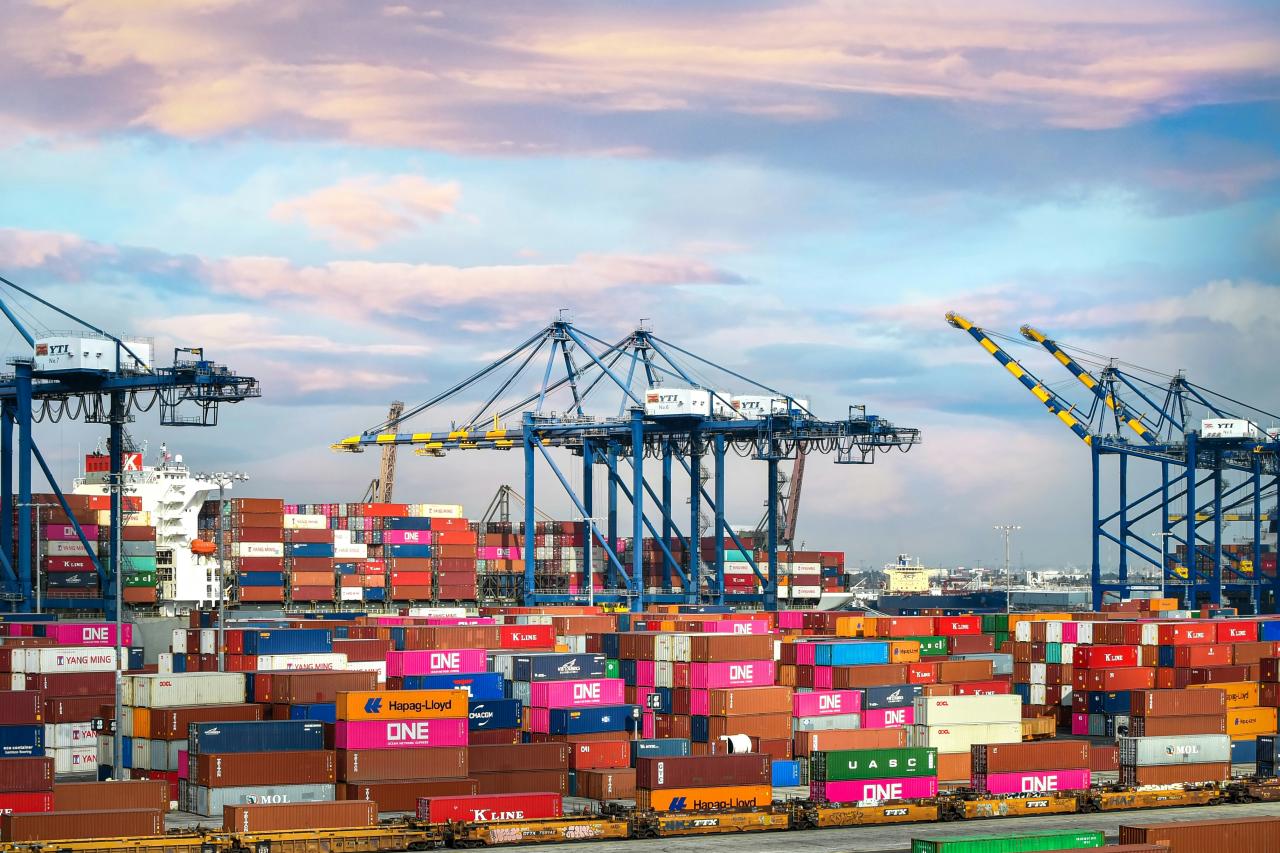
The global logistics landscape is currently navigating a profound structural shift as traditional human-dependent transport models give way to highly sophisticated autonomous frameworks. For decades, the movement of goods across continents and urban centers relied on manual labor, which inherently introduced variables such as fatigue, human error, and inconsistent operational timing. However, the emergence of advanced sensory arrays, high-speed connectivity, and complex spatial computing is now allowing enterprises to deploy fleets that operate with surgical precision around the clock.
This transition toward self-governing vehicles is not merely a technical upgrade; it represents a fundamental reimagining of the supply chain where the vehicle itself becomes a proactive node in a larger digital nervous system. By integrating artificial intelligence at the edge, logistics companies can now achieve a level of efficiency and safety that was previously considered the domain of science fiction.
The current era is defined by the seamless blending of machine vision and real-time data processing, creating a world where freight moves through city streets and vast highways with minimal intervention. As businesses look to reduce their carbon footprints and lower operational overhead, the allure of autonomous energy-efficient transport becomes a critical component of long-term fiscal sustainability.
This evolution is particularly visible in the enterprise sector, where the demand for high-velocity fulfillment is driving the adoption of autonomous yard trucks, long-haul semi-tractors, and last-mile delivery robots. The successful implementation of these systems requires a deep understanding of the intersection between physical hardware and cloud-based orchestration. Ultimately, the goal of this movement is to create a frictionless global commerce environment where distance and time are no longer barriers to growth.
A. Centralized Orchestration And Cloud Management
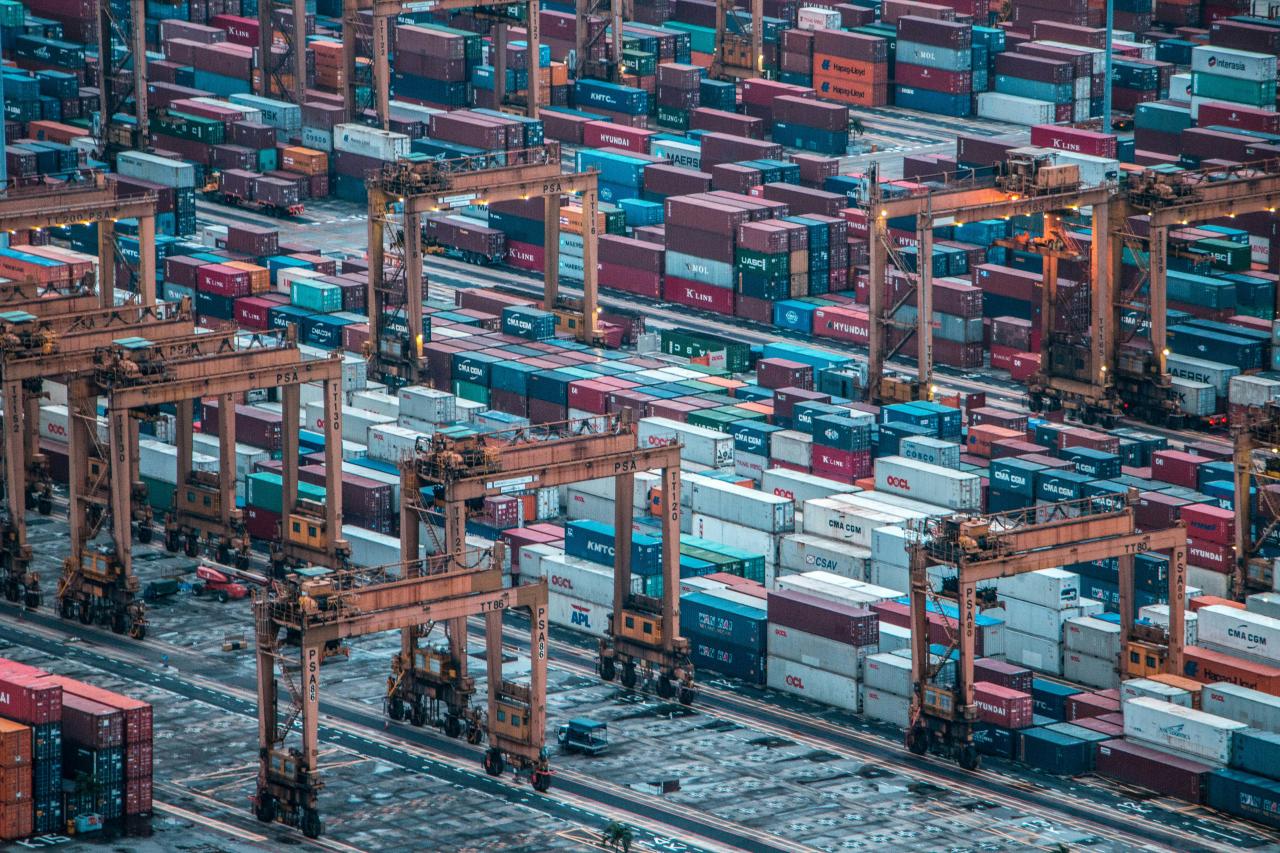
The backbone of any modern enterprise fleet is a centralized cloud-based platform that acts as the primary brain for every moving asset. This system processes massive streams of data from various sensors to coordinate movement, optimize routes, and predict potential maintenance needs.
By using real-time spatial analytics, the orchestration layer can adjust the speed and path of vehicles to avoid congestion or weather-related delays. This level of control ensures that the fleet operates as a single, cohesive unit rather than a collection of independent vehicles.
Cloud integration also allows for over-the-air updates, ensuring that every vehicle is always running the most advanced software versions. This capability extends the functional life of the hardware and allows for the rapid deployment of new safety features.
B. Machine Vision And Multi-Sensor Fusion
Autonomous systems rely on a combination of Lidar, Radar, and high-resolution cameras to build a three-dimensional map of their surroundings. This multi-sensor fusion allows the vehicle to “see” in conditions that would be impossible for a human driver, such as heavy fog or complete darkness.
Artificial intelligence models then process these inputs to identify pedestrians, other vehicles, and road hazards with incredible accuracy. This constant vigilance is the primary factor in reducing accident rates and improving overall road safety.
Sensor redundancy is a core design principle in these systems, ensuring that a failure in one component does not compromise the safety of the vehicle. This hardware reliability is what gives enterprises the confidence to deploy driverless fleets in complex urban environments.
C. Predictive Maintenance And Asset Longevity
High-performance logistics fleets utilize onboard diagnostics to monitor the health of every mechanical and electronic component. By identifying early signs of wear, the system can schedule maintenance during periods of low demand, preventing costly breakdowns.
This proactive approach significantly reduces the total cost of ownership by extending the life of tires, brakes, and battery systems. It ensures that the fleet remains in peak condition and ready for deployment at any moment.
Data gathered from these diagnostics is also used to inform future vehicle designs, creating a feedback loop between the operator and the manufacturer. This cycle of continuous improvement is a hallmark of the advanced vehicle technology sector.
D. Energy Efficiency And Battery Optimization
Most autonomous enterprise fleets are built on electric platforms that offer a much lower cost per mile than traditional internal combustion engines. Autonomous driving software is specifically tuned to maximize energy efficiency through smooth acceleration and optimized regenerative braking.
Advanced battery management systems monitor the temperature and state of charge for every cell, ensuring the longest possible range. This thermal management is critical for maintaining performance in extreme climates.
Integrating the fleet with renewable energy sources further enhances the sustainability profile of the enterprise. Smart charging stations can be programmed to draw power during off-peak hours when electricity rates are at their lowest.
E. Last-Mile Delivery And Urban Integration
Small-scale autonomous robots are now handling the “last-mile” of delivery, moving goods from local hubs directly to the customer’s doorstep. These systems are designed to navigate sidewalks and crosswalks while interacting safely with the public.
This automation solves one of the most expensive and inefficient parts of the supply chain. By removing the need for a large delivery van and a driver for small packages, enterprises can offer faster service at a lower price.
The integration of these robots with smart city infrastructure allows them to communicate with traffic lights and pedestrian crossings. This connectivity creates a safer and more efficient environment for everyone sharing the urban space.
F. Long-Haul Trucking and Autonomous Platooning
Autonomous platooning allows several long-haul trucks to travel in a close-knit group, with the lead vehicle controlling the speed and braking for the followers. This reduces aerodynamic drag and significantly lowers fuel consumption across the entire group.
This technology is particularly effective for transcontinental freight movements where highways are long and predictable. It allows for longer operational hours without the limitations of human driver fatigue.
The lead truck is often operated by a professional driver who oversees the safety of the entire platoon. This hybrid model combines the best of human intuition with the precision of automated systems.
G. Specialized Warehouse And Yard Automation
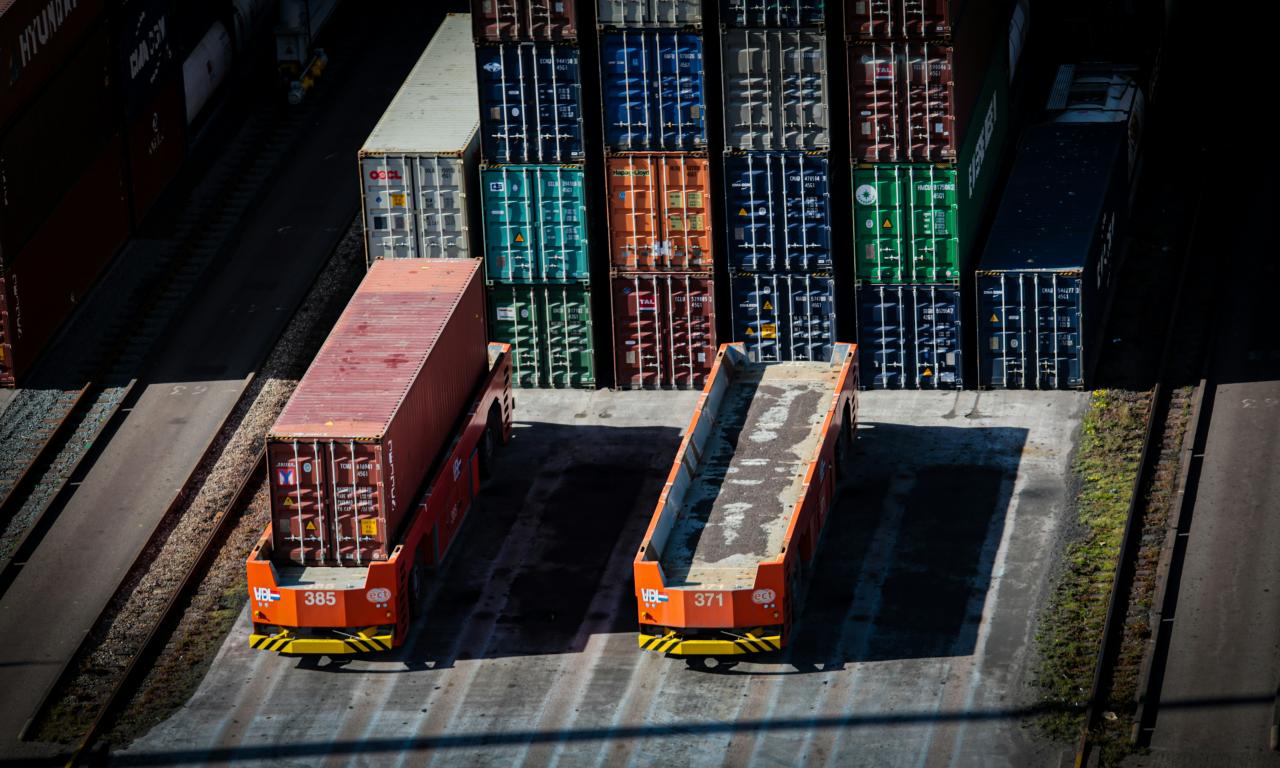
Beyond the public roads, autonomous vehicles are transforming the efficiency of private shipping yards and massive distribution centers. Autonomous yard trucks can move trailers between docking bays with perfect accuracy and no downtime.
This automation reduces the risk of collisions in crowded yards and speeds up the loading and unloading process. It allows for a continuous flow of goods that is not restricted by shift changes or labor shortages.
Integrating yard automation with warehouse management software creates a seamless transition from the storage rack to the shipping container. This end-to-end automation is a major competitive advantage for global logistics giants.
H. Cybersecurity Frameworks For Fleet Protection
As vehicles become more connected, protecting the fleet from digital intrusion becomes a top-tier operational priority. Enterprise systems use advanced encryption and multi-factor authentication to secure the communication between the vehicle and the cloud.
Specialized intrusion detection systems monitor the vehicle’s internal network for any signs of suspicious activity. This layered defense ensures that the integrity of the fleet is never compromised by external actors.
Regular security audits and “red team” testing are standard practices for companies operating autonomous systems. Maintaining the public’s trust in the safety of these vehicles is essential for their widespread adoption.
I. Impact On Global Supply Chain Resilience
Autonomous fleets provide a level of resilience that traditional models cannot match, especially during periods of global instability or labor shortages. These systems can operate continuously to ensure that essential goods reach their destinations without delay.
The ability to re-route an entire fleet instantly in response to a geopolitical event or natural disaster is a powerful tool for global trade. It ensures that the supply chain remains flexible and responsive to real-time changes.
By reducing the dependency on localized labor markets, enterprises can build more stable and predictable logistics networks. This stability is the foundation of a healthy and growing global economy.
J. Human-Machine Interface And Remote Oversight
While the vehicles are autonomous, they still require a level of human oversight from a centralized operations center. Remote operators can step in to handle complex edge cases or provide guidance in unusual situations.
The human-machine interface (HMI) is designed to give the operator a complete 360-degree view of the vehicle’s environment. This teleoperation capability ensures that the fleet is never truly “stuck” when faced with a novel problem.
Training for these remote operators involves high-fidelity simulators that replicate a wide range of challenging scenarios. This ensures that the human element is as well-prepared as the machine.
K. Regulatory Compliance And Safety Standards
Navigating the complex landscape of international safety regulations is a critical part of deploying autonomous systems. Enterprises must work closely with governments to ensure that their fleets meet or exceed all local laws.
Standardized testing protocols allow for the comparison of safety metrics across different platforms and regions. This transparency is key to building regulatory frameworks that support innovation while protecting the public.
Liability models are also evolving to account for the shift from human drivers to automated systems. Clear legal frameworks are essential for providing the certainty that insurers and investors require.
L. Data Analytics And Performance Metrics
Every mile driven by an autonomous vehicle generates terabytes of data that can be used to further refine the system. Advanced analytics platforms process this information to identify patterns and uncover new efficiencies.
Performance metrics such as “disengagement rate” and “energy per kilometer” are tracked with precision. These KPIs are used to benchmark different vehicles and software versions against each other.
This data-driven culture ensures that the fleet is constantly evolving and improving. It is a scientific approach to logistics that values empirical evidence over anecdotal experience.
M. Collaboration Between Tech And Auto Giants
The development of these systems often involves a partnership between traditional automotive manufacturers and cutting-edge technology firms. This collaboration combines decades of manufacturing expertise with the latest in artificial intelligence.
These joint ventures are accelerating the pace of innovation and bringing autonomous systems to market faster. They provide the scale and the capital necessary to solve the incredibly difficult engineering challenges of self-driving.
By sharing the risks and the rewards of development, these partnerships are creating a more robust and diverse ecosystem of technology providers. This competition is what drives the rapid improvement in performance and safety.
N. Improving Total Cost Of Ownership (TCO)
While the initial investment in autonomous technology is high, the long-term reduction in TCO is the primary driver of enterprise adoption. Savings come from reduced labor costs, lower fuel consumption, and fewer accidents.
A well-managed autonomous fleet can pay for itself within a few years of operation. This financial reality is what is moving the technology from the testing phase into full-scale commercial deployment.
Investors look for companies that have a clear plan for scaling their autonomous operations to maximize these returns. The transition to a “logistics-as-a-service” model is a key part of this financial evolution last decade.
O. Future Trends In Autonomous Logistics
As we look toward the future, we can expect to see even more integration between autonomous vehicles and other forms of automated transport, such as drones and ships. This will create a truly multimodal autonomous supply chain.
The use of “edge computing” will continue to grow, allowing vehicles to make even faster decisions without relying on a cloud connection. This will improve safety and performance in areas with limited connectivity.
The final result will be a global logistics network that is invisible, silent, and incredibly efficient. It is a future where the movement of goods is no longer a bottleneck for human progress.
Conclusion
Autonomous logistics represents the most significant advance in transport since the invention of the engine. Enterprises must embrace these systems to remain competitive in a high-velocity global market. The safety benefits of machine vision far outweigh the capabilities of human drivers. Energy efficiency and sustainability are built into the core of autonomous fleet design.
Data is the lifeblood of the modern supply chain and the key to its constant improvement. Collaborative partnerships are essential for solving the complex challenges of self-governing vehicles. Reduced operational costs provide a clear and compelling path to a high return on investment. The future of global commerce is undeniably connected, autonomous, and driven by innovation.