

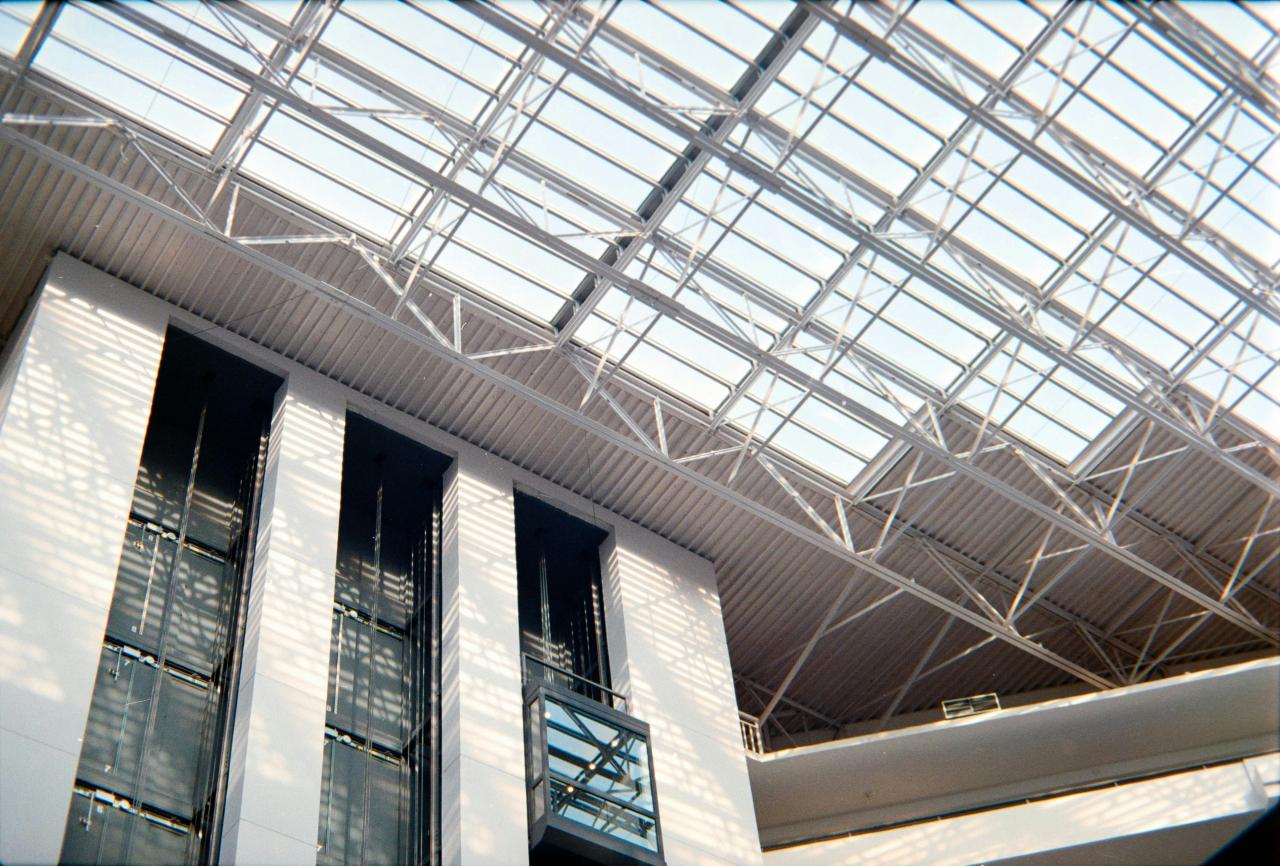
The transformation of a commercial space into a masterpiece of interior architecture requires a profound understanding of how physical environments influence human behavior and brand perception. In the world of high-end design, a room is never just a room; it is a meticulously curated experience that balances silent luxury with intense functionality.
To achieve this level of sophistication, architects must look beyond simple aesthetics and delve into the psychological impact of spatial flow, lighting temperatures, and acoustic engineering. As a visual storyteller and aesthetics curator, she believes that the most successful commercial interiors are those that evoke an emotional response while serving the practical needs of a modern business.
High-end design is not about excess, but about the intentionality of every line, texture, and shadow within a given space. This article serves as an extensive exploration into the foundational principles that define elite commercial environments in the global market. By mastering these high-level architectural concepts, developers and designers can create timeless landmarks that elevate the standard of professional living. It is time to move past the temporary trends of the moment and embrace the permanent principles of architectural excellence.
The Mastery of Spatial Zoning and Flow
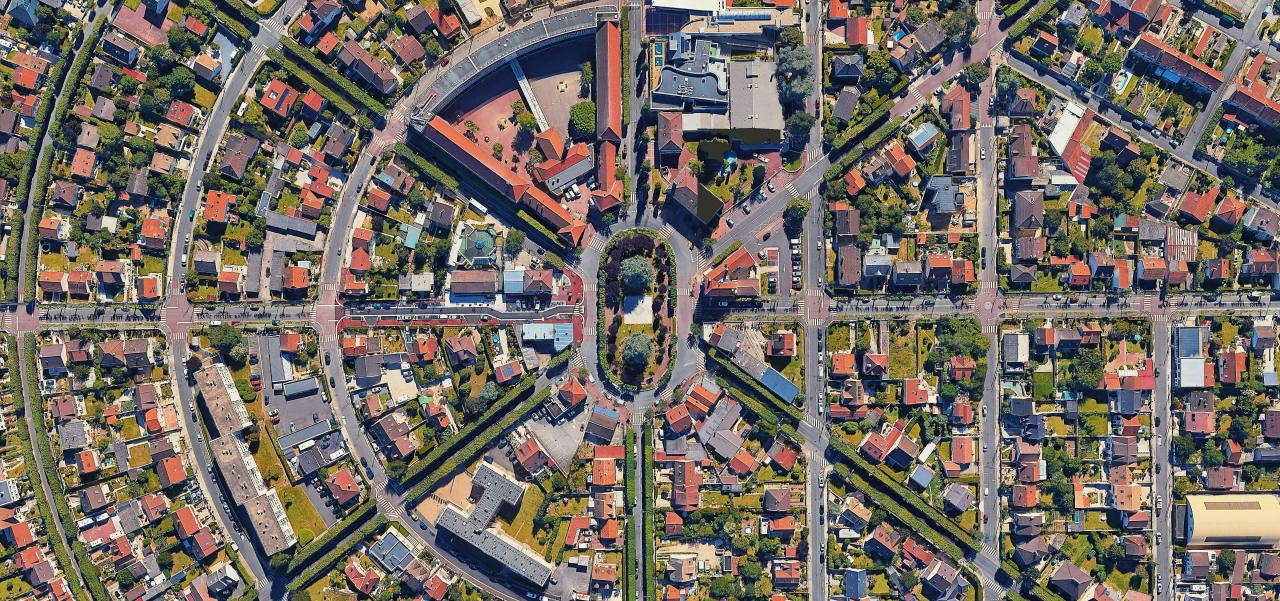
Strategic spatial planning is the invisible skeleton that supports every successful high-end commercial project. It involves the careful organization of movement to ensure that occupants feel guided rather than forced through an environment. A well-designed floor plan anticipates the needs of the user, providing a seamless transition between public social zones and private focus areas.
A. Implementing Adaptive Open Plan Modules for Flexibility
B. Utilizing Hierarchical Wayfinding through Architectural Cues
C. Analyzing the Ratio of Positive to Negative Space
D. Developing Specialized Transition Zones for Sensory Shifts
E. Synchronizing Service Access with Guest Experience Paths
In a premium office or luxury retail setting, the entrance should act as a decompression chamber that clears the mind of outside distractions. High ceilings and wide corridors create a sense of grandeur, while smaller, intimate alcoves offer a necessary retreat for private conversations. This balance of scale is what gives a commercial interior its rhythmic and professional energy.
Materiality and the Language of Luxury
The choice of materials is perhaps the most direct way an interior architect communicates quality and permanence to a visitor. High-end commercial design favors authentic, raw materials like natural stone, solid hardwoods, and hand-forged metals over synthetic imitations. These materials do not just look better; they age with grace, developing a patina that tells the story of the building over decades.
A. Evaluating the Tactile Quality of Natural Stone Surfaces
B. Utilizing Sustainable Hardwoods with Certified Chain of Custody
C. Analyzing the Visual Weight of Metal Finishes and Trims
D. Developing Custom Textile Palettes for Brand Alignment
E. Managing Acoustic Absorption through Hidden Architectural Fabrics
Every surface in a high-end interior should invite touch and closer inspection. When a client runs their hand across a reception desk made of honed marble, the coolness and weight of the stone send a subconscious message of stability and wealth. Combining these hard surfaces with soft, high-performance textiles prevents the space from feeling cold or echoing.
The Science of Architectural Lighting Design
Lighting is the primary tool for defining atmosphere and directing attention within a commercial interior. A sophisticated lighting plan uses multiple layers—ambient, task, and accent lighting—to create depth and highlight architectural details. In the luxury sector, the focus is often on integrated lighting that illuminates a space without the source ever being visible to the naked eye.
A. Implementing Circadian Rhythm Lighting for Occupant Wellness
B. Utilizing Cove Lighting to Emphasize Ceiling Geometry
C. Analyzing Color Rendering Index for Material Accuracy
D. Developing Smart Dimming Protocols for Energy Efficiency
E. Managing Natural Daylight Integration and Solar Shading
Dynamic lighting systems can now mimic the natural progression of sunlight, keeping employees more alert and relaxed throughout the workday. By using high-CRI (Color Rendering Index) LEDs, designers ensure that the expensive woods and stones used in the project look exactly as intended under artificial light. Proper shadows are just as important as light, as they provide the contrast necessary for a space to feel three-dimensional.
Acoustic Engineering and Sound Masking
One of the most overlooked aspects of high-end interior architecture is the management of sound. A space that looks beautiful but sounds chaotic or noisy will ultimately fail as a professional environment. Sophisticated designers use a combination of sound-absorbing materials and white noise technology to create a “quiet” luxury that allows for focus and privacy.
A. Evaluating Sound Transmission Class Ratings for Partition Walls
B. Utilizing Perforated Architectural Panels for Noise Reduction
C. Analyzing the Impact of Soft Flooring on Footfall Sound
D. Developing Specialized Acoustic Buffles for High Ceilings
E. Managing Privacy through Active Sound Masking Systems
Acoustics are particularly critical in open-plan offices where the clatter of keyboards and conversations can become overwhelming. Hidden acoustic treatments, such as fabric-wrapped wall panels or spray-on ceiling textures, can absorb up to 90% of reflected sound. This creates a serene environment where voices carry clearly without the need for raised volume.
Ergonomics and Human Centric Design
High-end design must be as comfortable as it is beautiful, requiring a deep commitment to ergonomic principles. This means selecting furniture and designing custom millwork that supports the human body during long hours of work or interaction. Human-centric design also considers the psychological comfort of the user, ensuring they never feel exposed or cramped.
A. Evaluating Adjustable Workstations for Physical Health
B. Utilizing Biophilic Design Elements to Reduce Stress
C. Analyzing User Reach and Sightlines in Service Areas
D. Developing Intuitive Controls for Climate and Tech
E. Managing Thermal Comfort through Integrated HVAC Vents
Biophilic design, or the integration of nature into the built environment, is a hallmark of modern high-end commercial spaces. Indoor trees, living green walls, and water features do more than just look good; they improve air quality and significantly boost the mood of the occupants. When people feel physically supported by their environment, their productivity and loyalty to the space increase.
Brand Identity and Narrative Integration
A commercial space should act as a physical manifestation of a company’s brand and core values. This is achieved through subtle “brand markers” rather than loud logos, using color palettes, textures, and custom art to tell a story. In high-end architecture, the goal is to create a space that could only belong to that specific client, making it a unique and uncopyable asset.
A. Developing Custom Joinery that Reflects Brand Heritage
B. Utilizing Bespoke Art Installations as Focal Points
C. Analyzing Color Psychology for Brand Perception
D. Developing Consistent Visual Language Across Global Sites
E. Managing Digital Integration within Physical Architecture
Bespoke furniture and custom-designed lighting fixtures ensure that the interior feels exclusive and hand-crafted. Digital displays should be integrated into the architecture itself, appearing as part of the walls rather than just screens hung on them. This seamless blend of technology and traditional craftsmanship is what defines the most modern luxury commercial projects.
Sustainability and Environmental Stewardship
True luxury in the modern age is inseparable from the concept of sustainability and ethical sourcing. High-end commercial interiors are now expected to meet strict environmental standards, such as LEED or WELL certifications. This involves everything from low-VOC paints to high-efficiency plumbing fixtures that minimize the building’s carbon footprint.
A. Evaluating Low Emission Adhesives and Sealants
B. Utilizing Reclaimed or Upcycled Luxury Components
C. Analyzing the Life Cycle Impact of Primary Materials
D. Developing High Efficiency Water and Power Systems
E. Managing Waste through Smart Construction Planning
Investing in sustainable materials often means higher upfront costs, but it results in lower operating expenses and higher property values over time. Occupants also prefer spaces that they know are healthy for both them and the planet. A high-end project that ignores sustainability will quickly become obsolete in a market that values social responsibility.
Technological Fusion and Smart Connectivity
The most advanced commercial interiors are those that anticipate the technological needs of the future. This requires a robust hidden infrastructure of data cabling and wireless connectivity that supports everything from video conferencing to IoT-managed environments. A smart building should learn from its occupants, automatically adjusting lights and temperature based on occupancy levels.
A. Implementing Zero Latency Wireless Infrastructure
B. Utilizing IoT Sensors for Real Time Space Optimization
C. Analyzing the Integration of Augmented Reality Tools
D. Developing Hidden Cable Management Systems for Clean Lines
E. Managing Automated Security and Access Protocols
Technology should never feel intrusive or clunky in a high-end setting; it should be an invisible assistant that makes life easier. Hidden charging ports in conference tables and voice-activated lighting controls are examples of how tech can be elegant. As we move toward more remote and hybrid work models, the physical office must be a high-tech hub that justifies the commute.
Conclusion
The essence of high-end commercial interior architecture lies in the perfect marriage of art and science. Successful spatial planning ensures that a business environment can adapt to the changing needs of its people. The choice of authentic materials provides a sense of permanence and trust that synthetic alternatives simply cannot match.
Lighting is the most powerful tool a designer has for creating a specific mood and directing the user’s journey. Acoustic excellence is the silent partner of luxury, providing the privacy and peace necessary for high-level work. Ergonomic design proves that a beautiful space is only successful if it treats the human body with respect. Narrative-driven design allows a brand to speak to its clients without saying a single word.
Sustainability is no longer an optional feature but a core requirement for any prestigious architectural project. Technology must be woven into the fabric of the building to provide a seamless and futuristic experience. The ultimate goal of commercial architecture is to inspire the people who walk through its doors every day. By adhering to these timeless principles, we create spaces that define the future of the professional world.

