

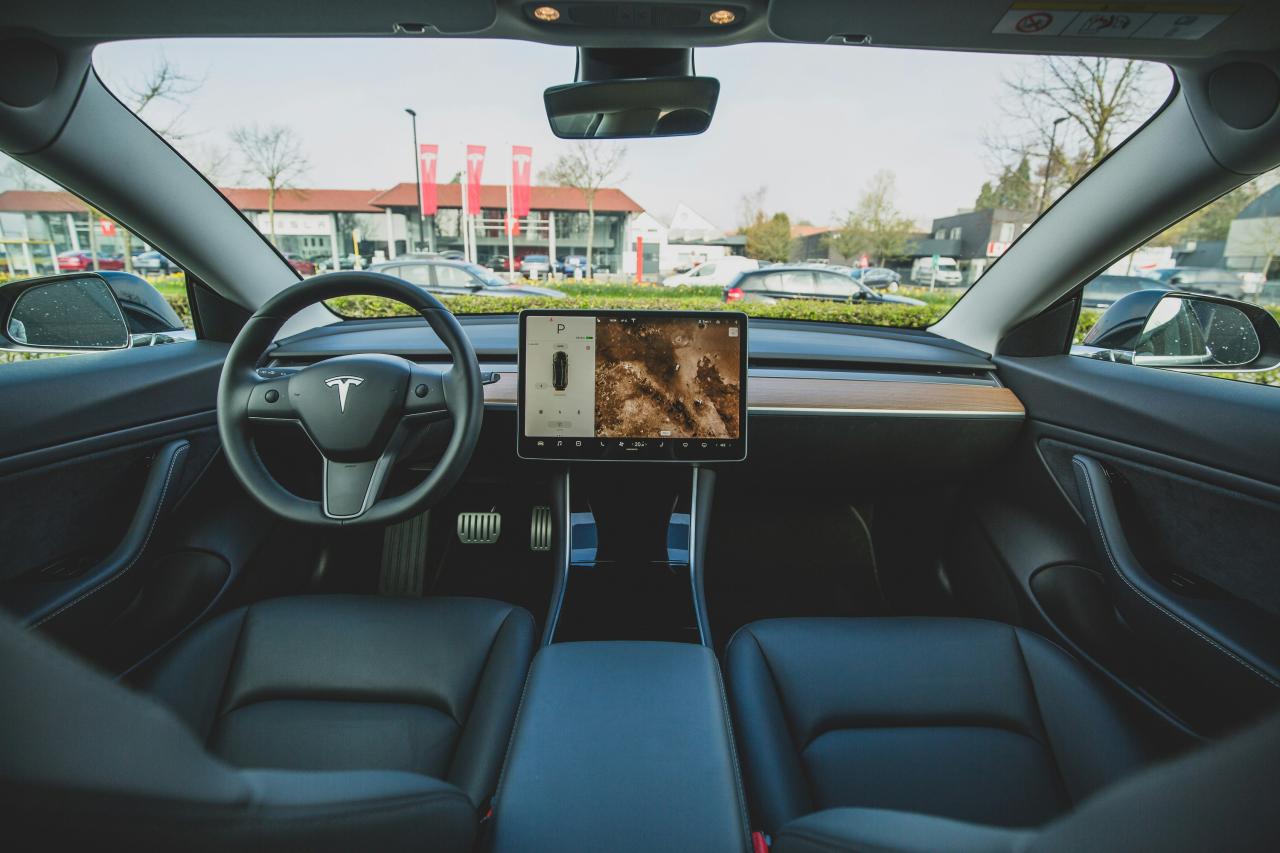
The automotive industry is currently navigating the most radical paradigm shift since Henry Ford introduced the moving assembly line over a century ago. We have moved past the era where a vehicle’s value was defined solely by its mechanical components like the engine, transmission, and chassis. We are now firmly entering the age of the Software-Defined Vehicle (SDV), where sophisticated code acts as the brain, soul, and primary controller of the entire driving experience. This transformation effectively turns the modern automobile into a “smartphone on wheels,” with capabilities that can be continuously improved through wireless updates.
For manufacturers, this shift is not merely a technological upgrade but a vital survival strategy to maintain profitability in an increasingly crowded global market. The economic center of gravity in the automotive world is shifting from the one-time margin of a physical sale to a continuous ecosystem of digital services. With the deep integration of artificial intelligence and high-speed connectivity, new revenue streams are opening up through subscriptions and advanced data analytics. This article explores how software is redefining financial success for the world’s leading automotive giants and why the “bits” are becoming more valuable than the “atoms.”
The Evolution from Hardware to Software Architecture
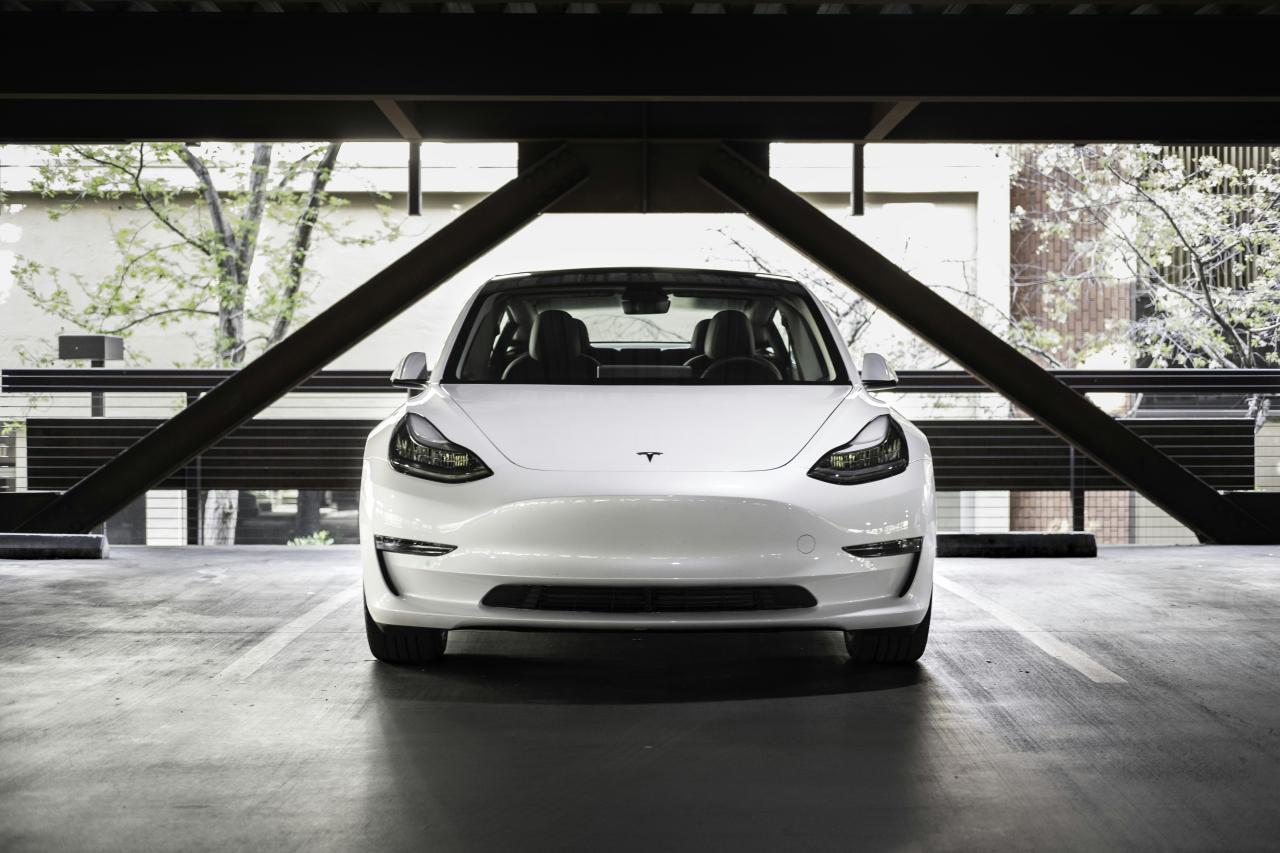
In the traditional automotive model, a car’s worth was determined by its horsepower and the quality of its interior materials. Today, consumers are increasingly prioritizing the speed of the infotainment system and the intelligence of active safety features.
This change is forcing manufacturers to completely overhaul how they design vehicles from the ground up. The old, fragmented electronic architectures are being replaced by powerful, centralized systems that act as a unified computing platform.
A. Centralization of Electronic Control Units (ECUs)
Traditional cars featured hundreds of small, isolated ECUs that worked independently for every minor function. Modern SDVs utilize a few powerful central computers to manage all functions in a high-efficiency, integrated manner.
B. Flexibility of Over-the-Air (OTA) Updates
Manufacturers can now fix software bugs or add entirely new features without requiring the owner to visit a physical dealership. This drastically reduces the cost of recalls and boosts customer satisfaction through instant, seamless improvements.
C. Decoupling of Software and Hardware Cycles
By separating the software layer from the physical hardware lifecycle, feature development can happen at a much faster pace. A car can receive the latest digital functions even if its physical components are several years old.
D. High-Level Cloud Ecosystem Integration
Modern vehicles are constantly connected to central servers to process data in real-time. This allows for smarter navigation, predictive maintenance, and the ability to offload complex tasks to the cloud.
E. Cybersecurity as a Fundamental Value Driver
Since cars are now driven by code, protection against hacking has become a top priority that carries significant market value. A robust security system builds the consumer trust necessary for a brand’s long-term reputation.
Recurring Revenue Models via Subscription Features
The new profitability strategy in the SDV era relies heavily on the Software-as-a-Service (SaaS) business model. Automakers are no longer limited to earning money at the point of sale; they can now generate revenue throughout the entire life of the car.
Imagine being able to activate heated seats or additional engine performance only when needed by paying a small monthly fee. This model provides a stable, predictable flow of income for automotive companies that was previously impossible.
A. On-Demand Feature Activation
Consumers can purchase specific features permanently or subscribe to them for a short period, such as during a long road trip. This offers flexibility to the owner and a high-margin secondary revenue stream for the manufacturer.
B. Premium Entertainment and Connectivity Services
Streaming music, high-definition video, and integrated digital office tools are becoming a massive new market within the cabin. The car is transforming into a third living space that generates money from content consumption.
C. Performance Upgrades via Software Code
Some manufacturers now offer increases in acceleration or battery range through paid software unlocks. This is the most efficient way to generate high profits without adding any physical cost to the vehicle.
D. Advanced Navigation and Autonomous Mapping
High-precision mapping systems are essential for safe and comfortable autonomous driving. These services are typically offered as exclusive subscription packages for users who want the latest technology.
E. Personalized Digital Loyalty Programs
Data harvested from the vehicle’s software allows manufacturers to offer highly relevant promotions to each individual driver. This deep relationship creates brand stickiness that is difficult for competitors to break.
Supply Chain Optimization and Production Efficiency
Software does not just generate revenue from the consumer side; it also saves massive amounts of money in production. With SDVs, hardware complexity can be significantly reduced through the standardization of components.
Manufacturers can produce a single type of hardware for various car models and then differentiate their functions through software. This creates incredible economies of scale and simplifies global logistics.
A. Global Electronic Component Standardization
By reducing the variety of wiring harnesses and sensors, raw material costs can be minimized. Focus is shifted to a single, powerful computing platform that can be used across the company’s entire product line.
B. Reduced Assembly Complexity in Factories
Fewer physical ECUs mean the assembly process is shorter and less prone to human error. Time efficiency on the production line directly increases the profit margin per unit sold.
C. Predictive Component Failure via Data Analytics
Data from thousands of cars on the road is sent back to the factory to analyze wear patterns. This allows manufacturers to improve future component designs before expensive mass-market issues occur.
D. Software-Driven Inventory Management
Smart systems monitor the flow of spare parts in real-time to prevent unnecessary stock accumulation. Savings in warehousing and logistics contribute significantly to the overall financial health of the firm.
E. Virtual Testing and Digital Twin Simulations
Before building expensive physical prototypes, engineers conduct thousands of hours of simulation in virtual environments. This process slashes Research and Development (R&D) costs by millions of dollars per model.
Transforming After-Sales Services and Workshops
The SDV era is changing the face of traditional workshops, which are usually associated with oil and heavy machinery. Many vehicle issues can now be diagnosed and even repaired remotely by digital technician teams.
This shifts the cost structure of after-sales from physical labor to data management. Profit margins in the after-sales sector become healthier as operational efficiency reaches new heights.
A. Proactive Remote Diagnostics
The car will notify both the owner and the service center before a critical component fails completely. This preventive action is cheaper for the manufacturer and more convenient for the vehicle user.
B. Self-Repair via Software Patching
If a system error occurs, the central team only needs to send a software patch to vehicles worldwide. The operational cost for this is nearly zero compared to physically recalling thousands of cars to a dealership.
C. Personalized Service Interval Scheduling
Based on actual driving data, the system can determine the perfect time to replace tires or brake fluid. Accurate offers increase the likelihood of customers returning to authorized service centers.
D. Integrated Digital Parts Sales
Customers can order accessories or spare parts directly from their dashboard when the system detects a need. This ease of transaction accelerates capital turnover for both the automaker and its partners.
E. Transparent Warranty Management
Digital usage records prevent fraudulent warranty claims that do not follow proper procedures. This protects the company’s profit margins from the payout of unauthorized or unnecessary claim costs.
Leveraging Big Data for Strategic Income
Data is the new gold in the modern, software-based automotive industry. Vehicles generate massive amounts of data regarding location, driving habits, and even the lifestyle preferences of the owner.
This data is highly valuable to insurance companies, advertisers, and smart city infrastructure providers. By processing this data ethically, car manufacturers can profit from sectors they never touched before.
A. Usage-Based Insurance (UBI) Models
Automakers can partner with insurers to offer lower premiums for safe drivers based on real-time data. Revenue is earned through data integration fees and profit-sharing with the partner insurance company.
B. Location-Based Advertising on Dashboards
When a car approaches a restaurant or shopping center, the system can display relevant promotions on the screen. This opens a new advertising revenue channel that is highly effective because it is contextual.
C. Data Analysis for Urban Infrastructure Planning
Anonymized data regarding traffic congestion patterns can be sold to city governments to improve traffic systems. The manufacturer’s role shifts to becoming a provider of smart mobility solutions.
D. Monetizing Performance Data for Third Parties
Third-party app developers often need vehicle performance data to create new products. Access to the vehicle’s API can be sold as a premium service by the manufacturer.
E. Enhanced Marketing Strategies Based on Insights
Understanding exactly when and where people use their cars helps manufacturers design much more effective ad campaigns. The resulting savings in marketing costs contribute directly to end-of-year profitability.
Investment Challenges and Cultural Shifts
While the profit potential is enormous, the path to the SDV era requires a massive upfront investment. Manufacturers must recruit thousands of software engineers and build sophisticated global data centers.
Furthermore, the rigid work culture of traditional automotive companies must be transformed into a fast-paced tech culture. This internal change is often the biggest hurdle for legacy automakers.
A. High Costs of Recruiting Software Talent
The salaries for expert developers are very high, and competition against tech giants like Google or Apple is fierce. This investment in human resources is the largest expense in the digital transition.
B. Building Global Server and Cloud Infrastructure
Managing data from millions of cars requires a highly stable and secure global internet infrastructure. The maintenance cost of these systems is a significant fixed expense that must be carefully managed.
C. Cybersecurity Risks and Legal Liabilities
A single security breach could destroy brand reputation and lead to massive financial losses from lawsuits. The cost of maintaining a 24/7 cybersecurity response team has become a modern necessity.
D. The Unending Pace of Innovation
Unlike physical cars that stay relevant for a decade, software must be updated almost weekly or monthly. This fast cycle demands extreme flexibility from the entire corporate organization.
E. Managing Complex Partnership Ecosystems
Automakers must now collaborate closely with chipmakers and operating system developers. Managing these partnerships requires strong business diplomacy to ensure profits aren’t entirely consumed by partners.
The Future of Autonomous Mobility and Cost Efficiency
The Software-Defined Vehicle is the fundamental foundation for autonomous vehicles that will completely change how humans move. Without advanced software, the dream of self-driving cars would never become a reality.
As autonomous technology matures, the operational cost of transportation will drop significantly for both consumers and businesses. This will create a new market for “Robotaxis” that boasts incredibly high profit margins.
A. Autonomous Robotaxi Fleet Services
Manufacturers can act as fleet owners and earn money for every kilometer traveled by a passenger. This removes the cost of a human driver and maximizes the continuous use of the vehicle asset.
B. Improved Safety to Reduce Insurance Payouts
Perfect autonomous systems will drastically reduce the number of accidents worldwide. Savings from insurance premiums and legal costs will have a massive positive impact on the global economy.
C. Smart Traffic Flow Optimization
Autonomous cars can communicate with each other to avoid congestion and save energy. This collective efficiency lowers national energy costs and increases general societal productivity.
D. Flexible Interiors as Mobile Business Spaces
Without the need for a driver, car interiors can be transformed into mobile offices or premium meeting rooms. This “office-on-wheels” service is a new luxury niche for busy executives.
E. Global Standardization for Future Mobility
The manufacturer that successfully creates a standard operating system will dominate the world market. Controlling this digital platform is the ultimate key to achieving legitimate monopoly-style profits.
Conclusion

The automotive industry has fully transformed into a dynamic, data-driven software industry. Software is now the primary factor in creating healthier profit margins for global manufacturers. This era of code-based vehicles allows for the emergence of various sustainable new revenue streams. Manufacturers are no longer just selling physical products but are selling evolving digital experiences. Cost efficiency in production and logistics is now achieved through smart software standardization. The safety and comfort of consumers are increasingly dependent on the quality of code written by engineers. Subscription business models provide long-term financial stability that the old model lacked.
Massive investment in digital talent is an absolute prerequisite to remaining relevant in the market. Collaboration between the automotive industry and tech giants is the key to accelerating innovation. Data generated by modern vehicles is a strategic asset that is incredibly valuable when managed well. The transition toward autonomous mobility will be the ultimate peak of the software revolution in transport. Manufacturers that fail to adapt to these changes face a very real risk of future bankruptcy. Future profitability belongs only to those who can totally master the software ecosystem.

