

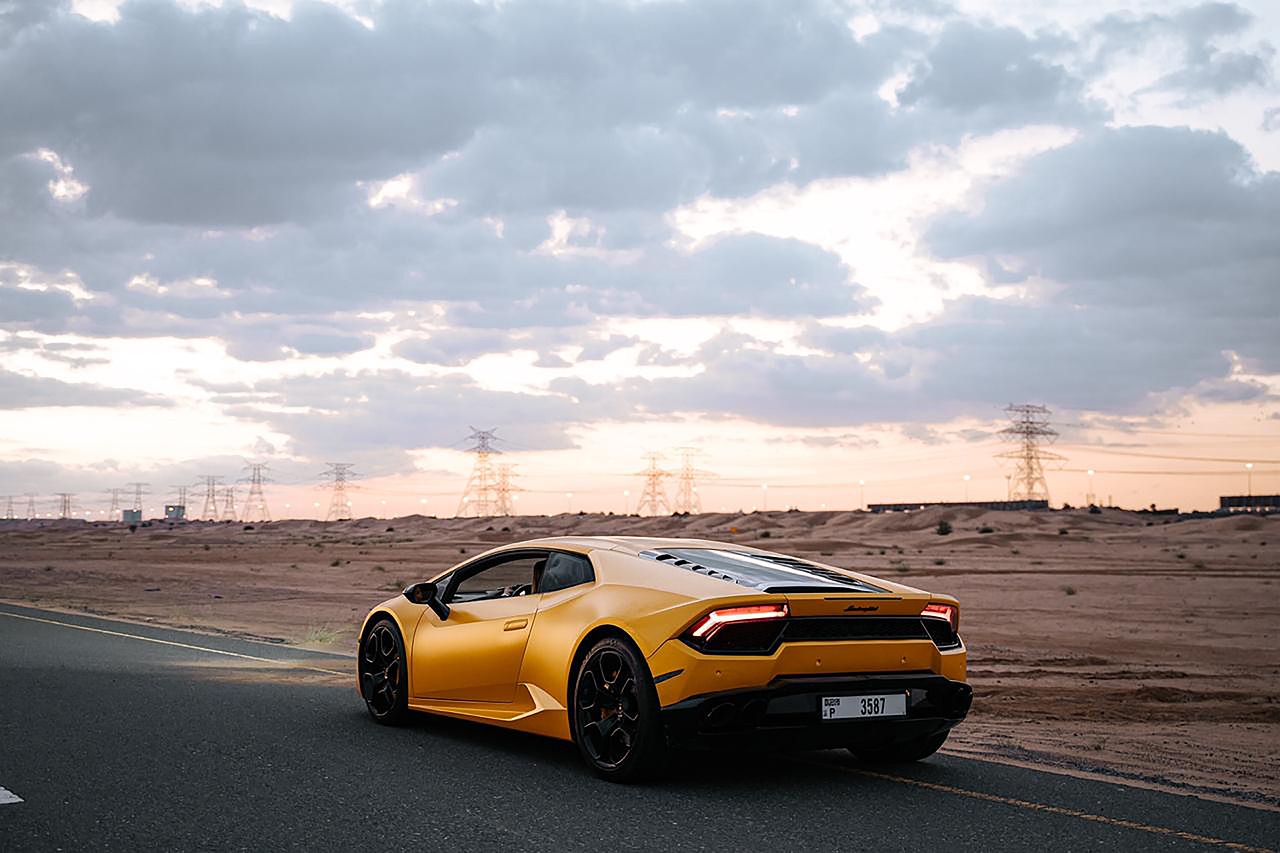
The world of high-end automotive design is currently undergoing a massive transformation that blends traditional craftsmanship with futuristic innovation. For decades, the silhouette of a luxury car was defined by its internal combustion heart, but today’s designers are working with an entirely new set of rules. We are seeing a move away from aggressive, jagged lines toward smoother, more organic shapes that emphasize aerodynamic efficiency without losing an ounce of prestige. Luxury exterior design is no longer just about looking expensive; it is about telling a story of heritage, technology, and environmental responsibility through metal and carbon fiber. Every curve on a modern flagship vehicle is meticulously calculated to manage airflow, while every lighting element is designed to create a unique digital signature.
As we look at the most iconic trends, it becomes clear that the “face” of the car is becoming more communicative and intelligent. This evolution is driven by the desire to create a lasting emotional connection between the driver and the machine. This article explores the specific design philosophies that are defining the modern era of luxury transport, from the materials used to the way light interacts with body panels. By understanding these trends, we can appreciate the immense amount of artistry and engineering required to create a vehicle that is truly a rolling masterpiece.
The Philosophy of Minimalism and “Reductionism”
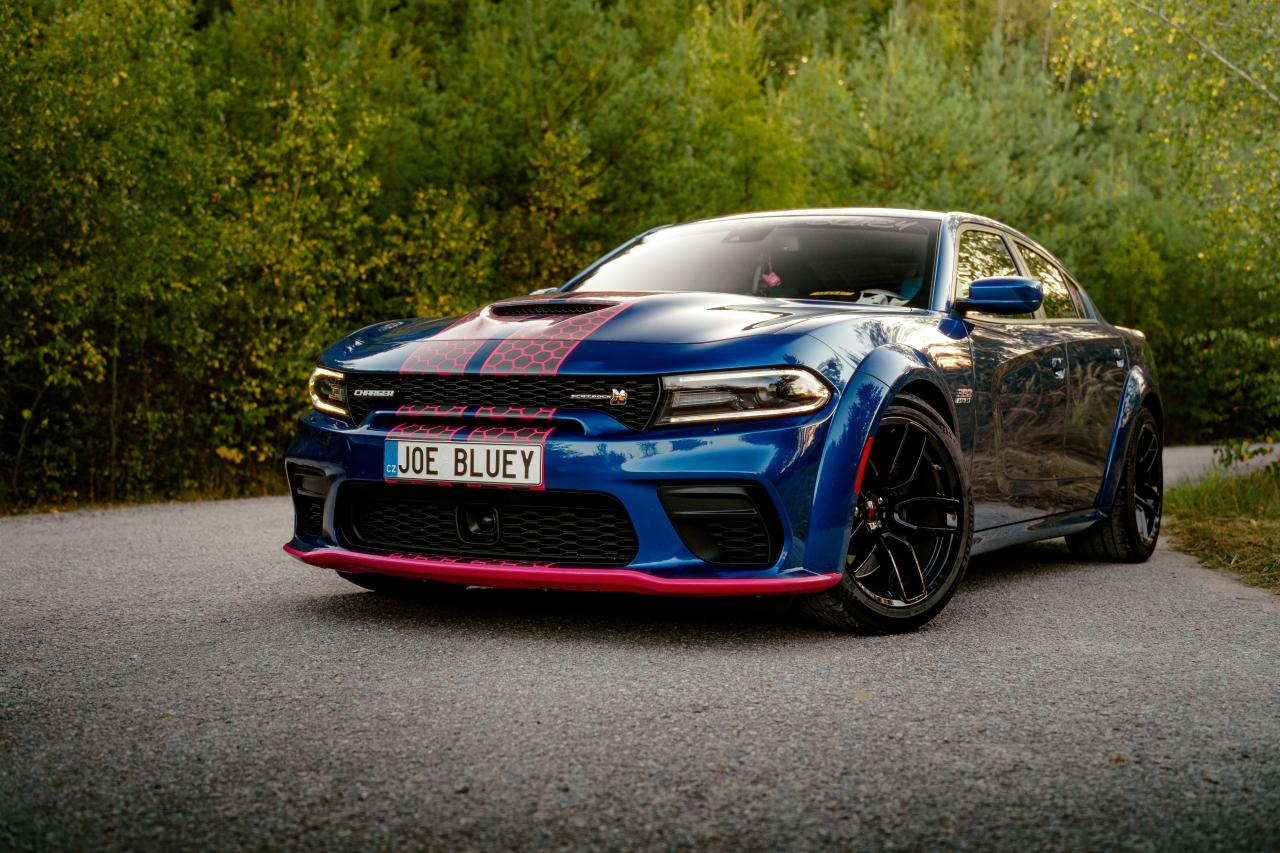
Many luxury brands have adopted a “less is more” approach to their exterior styling. This movement focuses on removing unnecessary clutter to highlight the pure proportions of the vehicle.
A. Seamless Body Panels
Modern manufacturing techniques allow for much larger, single-piece body panels. This reduces the number of “shut lines” or gaps, making the car look like it was carved from a single block of aluminum.
B. Hidden Door Handles and Flush Glass
To create a clean side profile, designers are using retractable door handles that stay flush with the body. This not only looks sophisticated but also significantly reduces wind resistance at high speeds.
C. Monolithic Design Language
This trend involves creating a very solid, heavy presence that feels grounded and permanent. It emphasizes the strength of the vehicle through flat surfaces and sharp, purposeful corners.
Evolutionary Lighting as a Brand Identity
In the past, headlights were simple functional tools. Today, they are the primary way a luxury car expresses its personality and technological edge.
A. Matrix LED and Laser Technology
These systems allow for incredibly slim light designs that can project complex patterns. They can highlight road signs or dim specific sections of the beam to avoid blinding other drivers.
B. Dynamic Animation Sequences
When an owner approaches their luxury vehicle, the lights often “wake up” in a choreographed sequence. This digital welcome ceremony adds a layer of theater and exclusivity to the ownership experience.
C. Full-Width Light Bars
The rear of many luxury cars now features a single continuous line of light. This trend emphasizes the width of the car and makes it instantly recognizable in the dark from a long distance.
The Impact of Aerodynamics on Silhouette
As performance increases and electric drivetrains become common, the “shape of the wind” has become the primary inspiration for designers.
A. Teardrop Profiles and Longtails
The teardrop is nature’s most aerodynamic shape. Luxury grand tourers are adopting long, sloping rear ends to ensure air leaves the vehicle as smoothly as possible.
B. Active Aero Components
Many high-end cars now feature parts that move depending on speed. Spoilers that rise and air intakes that close help the car balance high-speed stability with low-speed cooling.
C. Ventilated Fenders and Aero-Wheels
Air is often channeled through the front wheel arches to reduce turbulence. Even the wheels are being designed with flat surfaces or “turbofans” to help pull heat away from the brakes while cutting through the air.
Material Innovation and Visible Textures
Luxury is no longer just about polished chrome. The modern aesthetic celebrates raw, high-tech materials that showcase the car’s engineering.
A. Exposed Forged Carbon Fiber
Unlike traditional carbon weaves, forged carbon has a marble-like appearance. It is used in splitters, diffusers, and mirrors to signal that the car is both lightweight and incredibly strong.
B. Matte and Frozen Paint Finishes
Deep, non-reflective paints have become a symbol of stealth luxury. These finishes highlight the subtle “muscle lines” of the car’s bodywork better than traditional glossy paints.
C. Liquid Metal and Multilayered Coating
New painting techniques involve dozens of layers to create a sense of depth. In certain lights, the car appears to be made of liquid mercury, shifting its color slightly as the sun moves.
The Reimagined “Grille” in the Electric Era
Since electric cars don’t need traditional cooling, the front “grille” is being transformed into a canvas for sensors and branding.
A. Digital Grille Displays
Some manufacturers are using the front panel as a screen to communicate with pedestrians. It can display messages or light patterns to show the car’s charging status.
B. Integrated Sensor Suites
Lidar and Radar units are now being hidden behind translucent panels. This keeps the car’s “face” looking clean while providing the data needed for autonomous driving.
C. Illuminated Brand Logos
Instead of a metal badge, many luxury cars now feature a glowing emblem. This serves as a beacon of the brand’s identity and adds to the futuristic aesthetic of the front end.
Proportions: The Return of the “Cab-Backward” Look
Despite the shift to mid-engine or electric layouts, the classic proportions of luxury travel still hold massive appeal.
A. The Long Hood Aesthetic
Even when there isn’t a massive V12 under the hood, designers often maintain a long front end. This silhouette is psychologically associated with power, prestige, and expensive engineering.
B. Short Overhangs and Large Wheelbases
By pushing the wheels to the very corners of the car, designers create a more athletic stance. This also creates more interior space without making the car feel bulky from the outside.
C. High Beltlines and Low Rooflines
This creates a “pillbox” effect that makes the passengers feel protected and private. It gives the car a more aggressive, crouched look, as if it is ready to pounce.
Bespoke Customization and One-Off Commissions
True luxury means having something that nobody else owns. Exterior design is becoming increasingly modular to allow for extreme personalization.
A. Coachbuilding in the Modern Age
Ultra-luxury brands are returning to the art of coachbuilding. They will build a completely unique body for a single client, ensuring the car is a one-of-a-kind work of art.
B. Two-Tone Color Schemes
The use of a secondary color for the roof and hood is a classic trend that has returned. It allows owners to highlight the specific architectural lines of their vehicle.
C. Personalized Lighting Signatures
In the future, owners may be able to program their own DRL (Daytime Running Light) patterns. This allows the car to be uniquely identifiable even from a distance.
The Influence of Sustainable Luxury
Environmental consciousness is now a design driver. The materials and colors used are beginning to reflect a more “natural” version of luxury.
A. Bio-Based Composites
Some exterior trims are now being made from flax or hemp fibers. When treated correctly, these materials look as premium as carbon fiber but have a much lower environmental impact.
B. Recycled Aluminum and Steel
Luxury brands are highlighting their use of circular materials. Using recycled metals doesn’t change the look, but it changes the story and value of the vehicle for the owner.
C. Natural Color Palettes
We are seeing a move away from aggressive reds and yellows toward earth tones. Greens, sands, and deep blues are becoming the new colors of “quiet luxury.”
The SUV Silhouette Evolution
The traditional “box” shape of the SUV is being refined into something much sleeker and more car-like.
A. Coupe-SUV Styling
The sloping roofline has become a staple of luxury SUVs. It provides the utility of a high-riding vehicle with the sportiness of a traditional two-door coupe.
B. Floating Roof Designs
By painting the pillars black, designers make the roof appear to be floating above the car. This reduces the visual “weight” of a large SUV, making it look more elegant.
C. Oversized Wheels and Flared Arches
Luxury SUVs often sit on 22-inch or 23-inch wheels. To accommodate this, the bodywork is flared out, giving the vehicle a muscular and commanding presence on the road.
Heritage Design Cues in a Digital World
Iconic brands are finding ways to bring their history into the future through subtle design details.
A. Modernizing the “Hofmeister Kink”
Classic design signatures, like specific window shapes, are being adapted for modern aerodynamics. This provides a visual link to the brand’s legendary past.
B. Retro-Futurism
Some designers are looking at 1970s and 80s icons for inspiration. They take the boxy, retro shapes and refine them with modern LED lighting and carbon fiber materials.
C. Ornamental Detail Integration
While minimalism is popular, some brands still use intricate metalwork in areas like the side vents. This showcases the “hand-finished” nature of a car that costs hundreds of thousands of dollars.
Conclusion
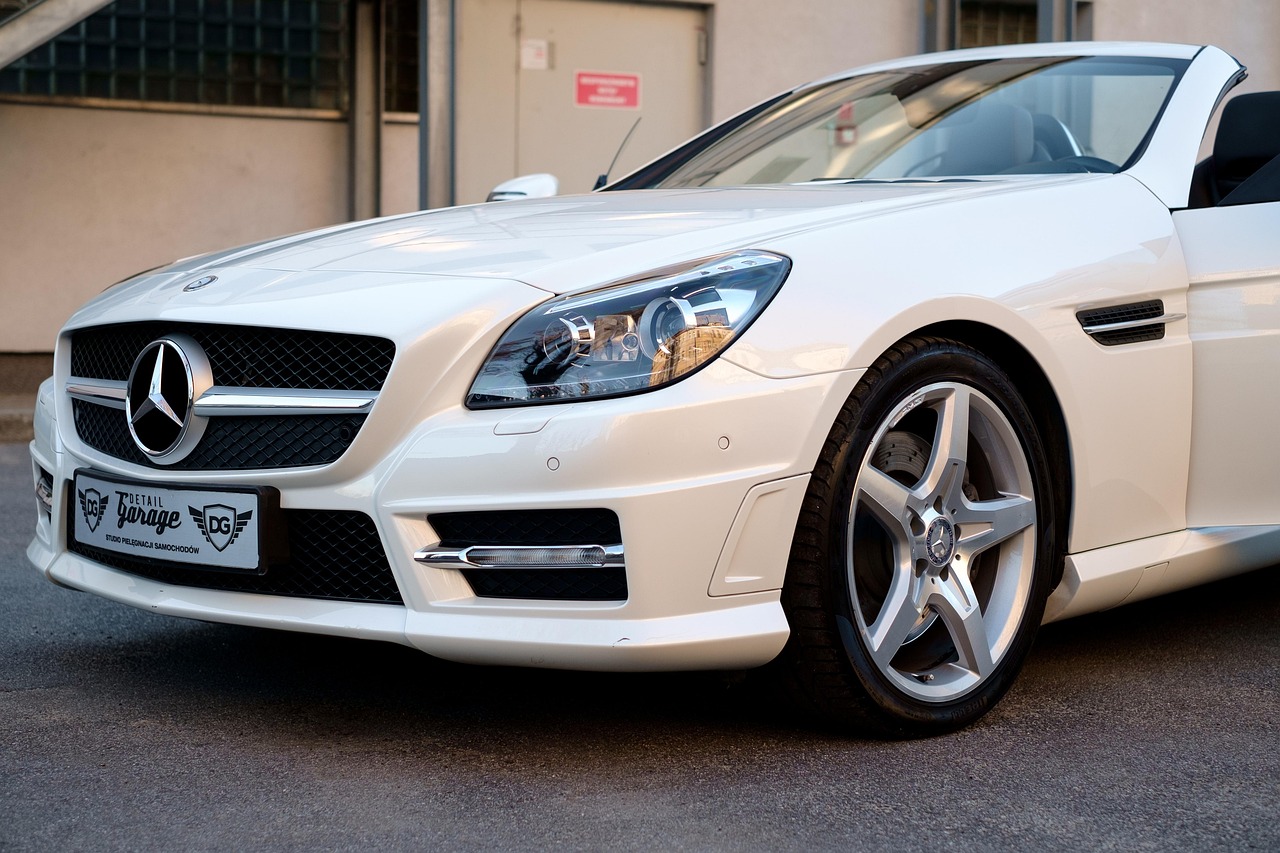
The exterior design of a luxury vehicle is the ultimate expression of a brand’s soul. Modern trends are moving toward a harmonious balance between extreme performance and understated elegance. Lighting has evolved into a primary tool for brand storytelling and digital communication. Aerodynamics now dictates the silhouette of the car as much as aesthetic preference does. Minimalism and the removal of shut lines create a sense of timeless, monolithic strength.
The front of the car is transitioning from a cooling intake to a sophisticated sensor and display hub. Sustainable materials are being integrated into the exterior without sacrificing the feeling of opulence. Classic proportions remain the standard for communicating power and prestige to the world. Bespoke programs allow the most elite clients to influence the very shape of their vehicles. The SUV is being redesigned to look sleeker and more athletic through the use of coupe-like lines. High-tech paint finishes and multilayered coatings add a sense of physical depth to the bodywork.
Active components ensure that the car’s design is dynamic and functional at any speed. The return of coachbuilding marks a new peak in the world of personalized luxury. Designers are successfully blending retro inspirations with the requirements of the electric era. Every detail on a luxury car is a calculated move to improve efficiency while maintaining beauty. The evolution of automotive design is moving faster than ever due to new digital tools. Ultimately, a luxury car is a piece of sculpture that just happens to be capable of incredible speed.

